


Fear of pain stops more people from replacing a missing tooth than almost anything else.
We hear it in our Woking practice all the time: patients who’ve wanted implants for years but keep putting off that first phone call because they’re braced for something awful. So let’s answer the question honestly.
Do dental implants hurt? For most patients, far less than they’d imagined, and what discomfort there is tends to be short-lived and manageable. Here’s what the experience actually feels like, stage by stage.
Do Dental Implants Hurt During the Procedure?
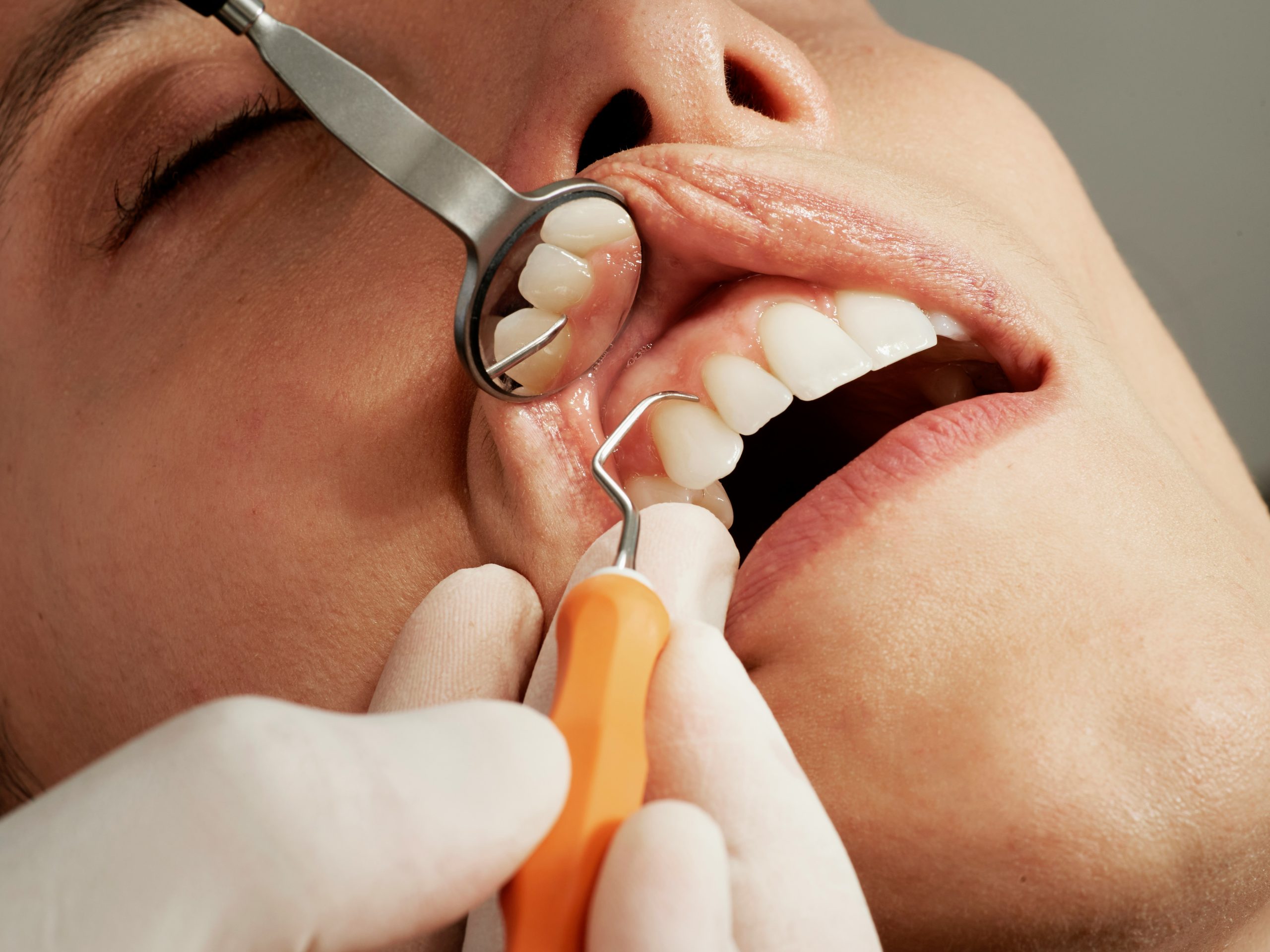
The placement itself shouldn’t hurt at all. Before anything begins, your dentist numbs the area completely with local anaesthetic, the same type used for fillings. Once it’s taken effect, you won’t feel pain in the treatment area.
What you will notice is sensation. Pressure, mainly, along with some vibration while the implant site is prepared. Patients sometimes describe it as odd rather than uncomfortable, a bit like someone pressing firmly on your jaw. That’s normal, and it’s very different from pain.
The jawbone itself has fewer nerve endings than a tooth, which surprises a lot of people.
You stay in control throughout. Your dentist will check in with you, and you can raise a hand at any point. Many patients who’ve had dental implant treatment in Woking with us say afterwards that the anticipation was harder than the appointment.
How Long Does Dental Implant Surgery Take?
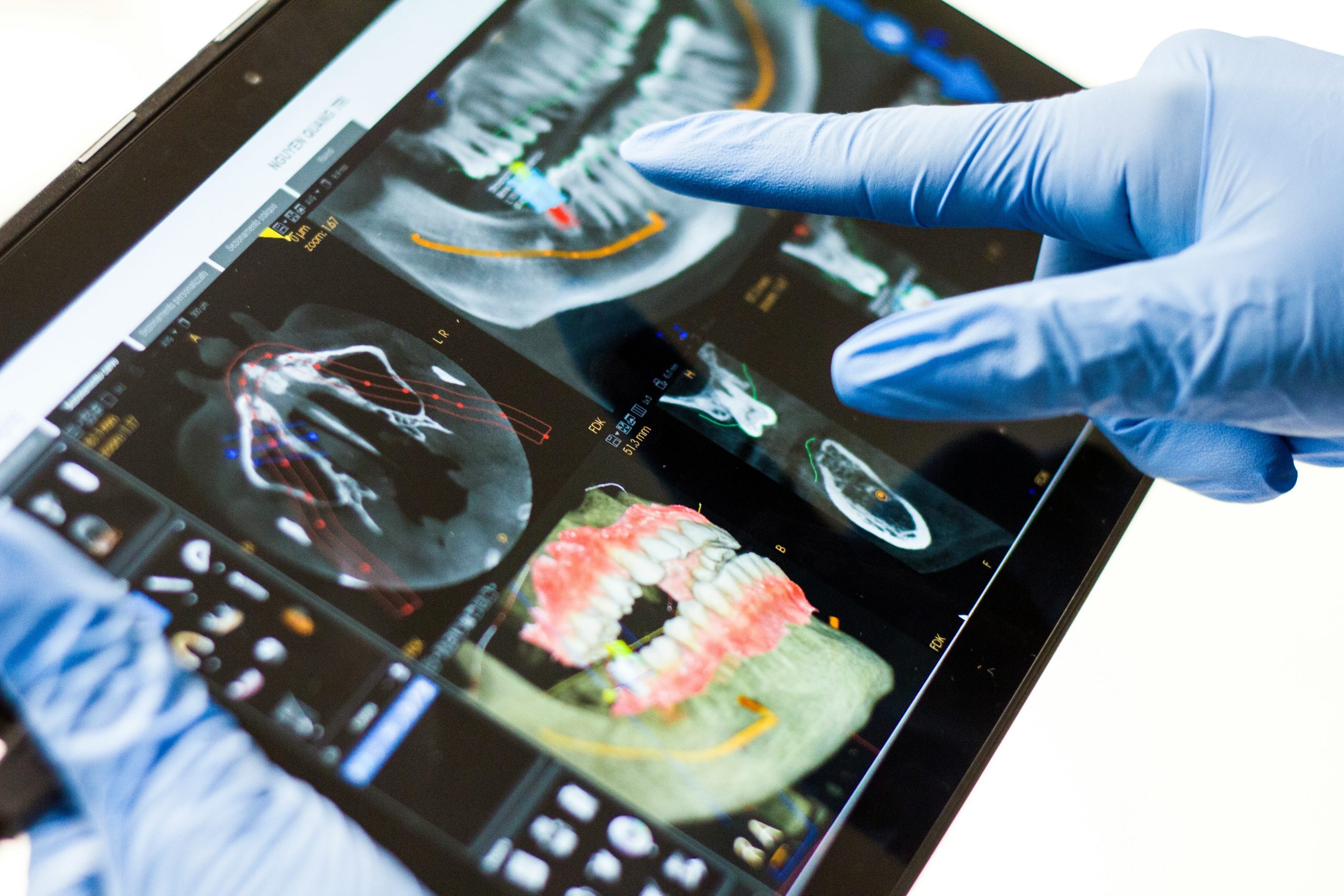
A single implant placement is often finished within the hour. More complex cases, such as multiple implants or treatment involving bone grafting, take longer, and your dentist will give you a realistic timing for your specific plan before anything is booked. There’s no marathon in the chair for a straightforward case.
What Does It Feel Like When the Anaesthetic Wears Off?
This is the part people rarely get told about, so here it is plainly. The numbness fades gradually over a few hours that first evening, and as it does, you’ll typically feel a dull ache and some tenderness around the site. Throbbing is possible.
It’s usually comparable to how your mouth feels after a tooth extraction, and for many patients it’s milder than that.
Your dentist may advise taking pain relief before the anaesthetic has fully worn off, so you stay ahead of the discomfort rather than chasing it. A quiet evening, soft food and an early night generally see most people through comfortably.
Dental Implant Pain in the Days After Surgery
Discomfort tends to peak around the second or third day, then settles steadily. Some swelling and occasionally a little bruising along the jaw or cheek is normal during this window. Most patients describe the days after as sore rather than painful, and manageable with standard over-the-counter pain relief.
Here’s the gap between expectation and reality that we see again and again: patients arrive expecting a week of misery, and tell us at their review appointment that they were back at work within a day or two. Everyone heals at their own pace, and your dentist will tell you what’s typical for your case, but severe or worsening pain isn’t part of normal healing.
That would be a reason to call the practice, and we’d want you to.
How to Manage Discomfort After Dental Implant Surgery
You’ll go home with clear aftercare guidance, and following it closely makes a genuine difference. The usual advice includes:
- Taking pain relief as recommended by your dentist, provided it’s suitable for you and your medical history
- Using a cold compress on the outside of your cheek in short bursts during the first day to help with swelling
- Sticking to soft, cool foods for the first few days and chewing away from the implant site
- Rinsing gently with warm salt water from the day after surgery, once your dentist confirms it’s appropriate
- Avoiding smoking and alcohol while you heal, as both can slow recovery
- Resting, and skipping strenuous exercise for the first couple of days
Every case is different, so the aftercare instructions you’re given at your appointment always take priority over general guidance like this.
Can You Be Sedated for Dental Implant Surgery?
Yes. Some patients aren’t worried about pain so much as the experience itself: the sounds, the setting, the memory of a bad appointment years ago. That kind of anxiety is completely valid, and local anaesthetic alone doesn’t address it.
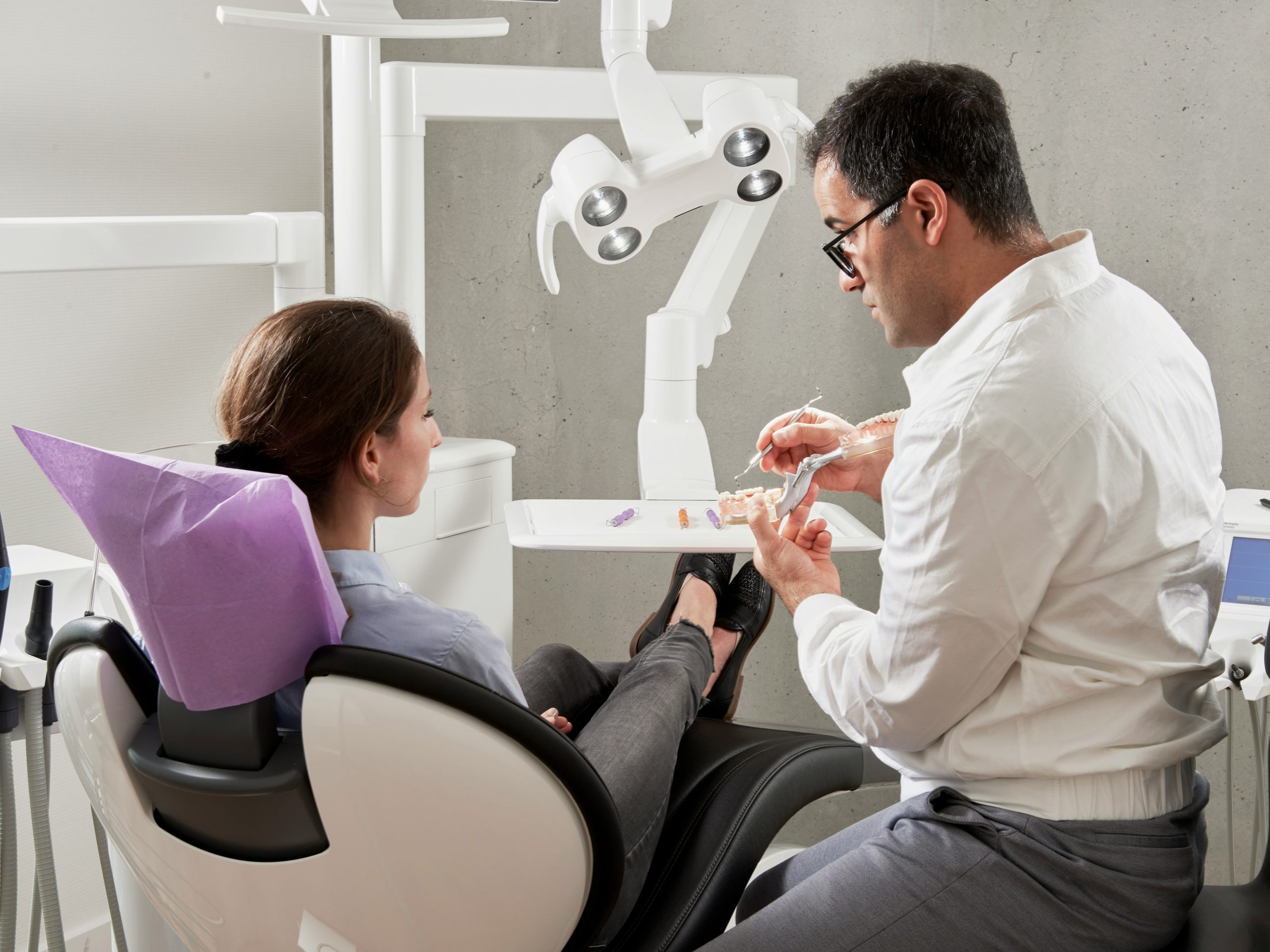
Bradstowe Dental offers a sedation service for nervous patients, delivered by a fully qualified team. Sedation helps you feel deeply relaxed during treatment, and many patients remember very little of the appointment afterwards.
Whether it’s right for you depends on your medical history and your level of anxiety, which is exactly the sort of thing we talk through at your consultation. Nobody here will judge you for asking.
Dental anxiety is one of the most common things we see, and we’ve spent over 60 years helping Woking patients work around it.
Frequently Asked Questions
Does getting a dental implant hurt?
The procedure itself shouldn’t, because the area is fully numbed with local anaesthetic. You’ll feel pressure and vibration rather than pain. Discomfort afterwards is common for a few days and is typically manageable with standard pain relief.
How painful is dental implant recovery?
Most patients describe recovery as sore rather than painful, with tenderness peaking two to three days after surgery before settling. Many are back to their normal routine within a few days, though healing varies from person to person.
Is getting an implant worse than a tooth extraction?
Many patients say it’s similar or gentler. Implant placement is a planned, precise procedure in prepared bone, whereas an extraction involves loosening a tooth from its socket. Your own experience will depend on your case, but implants rarely live up to the fearsome reputation people give them.
How long does pain last after dental implant surgery?
Noticeable discomfort typically lasts a few days, easing significantly within the first week for straightforward cases. Mild tenderness can linger a little longer. Pain that worsens after the first few days isn’t expected, and you should contact your dentist if that happens.
What painkillers can I take after implant surgery?
Standard over-the-counter options are usually sufficient, but the right choice depends on your medical history and any medication you already take. Follow the specific advice your dentist gives you at your appointment.
This article is for general information only and doesn’t replace professional dental advice. Pain experiences vary between patients, and only a clinical assessment can tell you what to expect from your own treatment. Always follow the guidance given by your dentist.
Talk It Through Before You Decide Anything
Reading about implants is one thing. Sitting down with a dentist who can look at your mouth, answer your questions and tell you honestly what your treatment would involve is another, and it commits you to nothing. Bradstowe Dental offers a free consultation, so you can get real answers about comfort, sedation and what to expect before making any decision. Call us on 01483 761 784 to book, and bring every worry you have. That’s what the appointment is for.
Bradstowe Dental Practice is registered with the Care Quality Commission (CQC).