


You’ve seen those stunning smile transformations on social media. You’ve browsed before-and-after galleries during your lunch break. And you’re seriously considering composite bonding to fix that chipped tooth, close those gaps, or finally get the smile you’ve always wanted. But there’s one question that keeps nagging at you: *how long will it actually last?*
It’s a fair concern – especially when you’re investing your hard-earned money in your appearance. The last thing you want is to commit to a cosmetic treatment only to find yourself back in the dental chair a year later, needing repairs or replacements. So let’s talk honestly about composite bonding lifespan, what you can realistically expect, and how to make your investment go the distance.
How Long Does Composite Bonding Last? The Honest Answer
Here’s the truth: composite bonding typically lasts between 3 to 10 years, with most patients in the Woking and Surrey area experiencing results in the 5 to 7-year range.
Now, you might be wondering why there’s such a wide variation. It’s not that dental practices can’t give you a straight answer – it’s that composite bonding durability genuinely depends on several individual factors. Your oral hygiene habits, lifestyle choices, diet, and even your natural saliva composition all play a role in how long your bonding will look its best.
Think of it this way: two patients could have identical bonding procedures on the same day, by the same dentist, and yet one might still have beautiful results after eight years whilst the other needs touch-ups at four years. The difference? How they care for their bonding and what they expose it to daily.
It’s important to understand that composite bonding isn’t a permanent solution. Unlike porcelain veneers or crowns, composite resin is a more porous material that will gradually wear down over time rather than suddenly chip away. This isn’t necessarily a drawback – it’s part of what makes bonding such an accessible, reversible, and affordable cosmetic option.
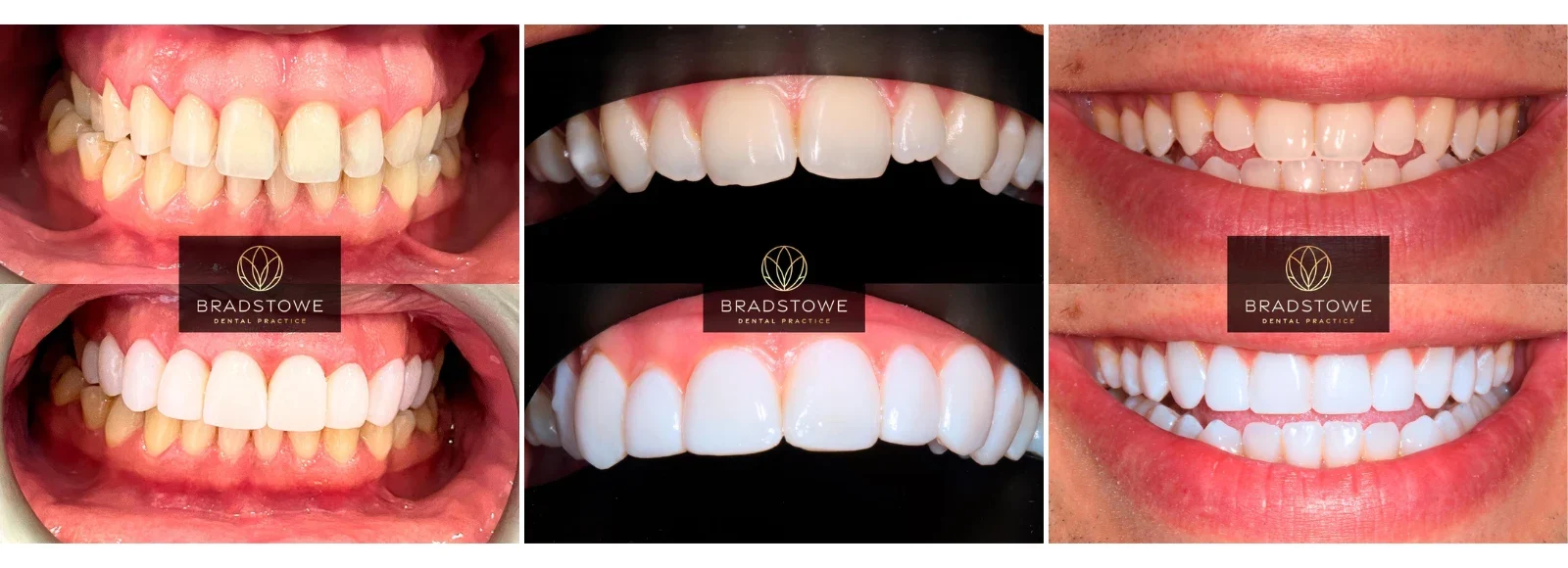
Composite bonding results at Bradstowe Dental, Woking
Curious what composite bonding could do for your smile? Try our free AI Smile Tool to upload a photo and see a preview of your potential transformation in seconds.
What Actually Affects Your Composite Bonding Lifespan?
Let’s dive into the specific factors that determine whether you’ll be at the three-year end of the spectrum or enjoying your bonded smile for a decade.
Your Daily Oral Hygiene Routine
This is perhaps the single biggest factor within your control. Patients who maintain excellent oral hygiene – brushing twice daily with fluoride toothpaste, flossing regularly, and attending routine dental check-ups every six months—consistently see longer-lasting results.
Why? Because composite bonding is attached to your natural tooth structure. If you develop decay around the bonded area or suffer from gum disease, the integrity of the bonding is compromised. We’ve seen patients at our Chobham Road practice who’ve had bonding last eight or nine years simply because they’re meticulous about their oral care routine.
Regular professional cleaning appointments are particularly important. Your hygienist can polish the bonded areas during these visits, helping to keep them smooth and stain-resistant. This professional maintenance significantly extends the life of your composite bonding.
Your Lifestyle Habits and Diet
Be honest with yourself about your daily habits. Do you:
- Bite your nails or chew on pens during stressful workdays?
- Crunch ice cubes from your drink?
- Use your teeth to open packaging or bottles?
- Grind your teeth at night (bruxism)?
- Play contact sports without a mouthguard?
Each of these habits puts unnecessary stress on your bonding and can significantly reduce its lifespan. We understand that for busy professionals commuting between Woking, Guildford, and London, stress-related habits like nail-biting can be difficult to break. But even small changes can make a meaningful difference to your composite bonding maintenance.
Your diet matters too. Whilst composite bonding won’t simply fall off because you had a coffee, consistently exposing it to staining substances will affect its appearance over time. More on that shortly.
The Quality and Skill of Your Initial Treatment
This is something many patients don’t realise: the longevity of your bonding heavily depends on the dentist’s skill, experience, and artistic ability.
Composite bonding is as much an art as it is a science. The dentist must carefully prepare the tooth surface, apply the bonding in thin layers, sculpt it to the perfect shape, and polish it to a smooth, natural-looking finish. Rushing any of these steps or lacking the artistic eye for colour matching and contouring can result in bonding that looks less natural and wears down more quickly.
At Bradstowe Dental, we’ve been perfecting smile transformations for over 60 years. Our clinicians have completed advanced training in cosmetic dentistry and understand the nuances that separate adequate bonding from exceptional, long-lasting results. When you’re choosing where to have your composite bonding treatment, it’s worth asking about the dentist’s specific experience with this procedure.
Your Individual Biology
Some factors are simply beyond anyone’s control. Your natural saliva composition, the strength and structure of your teeth, and your body’s response to the bonding material all vary from person to person.
Some patients naturally produce more acidic saliva, which can affect how long the bonding lasts. Others may have naturally softer enamel. These biological factors explain why even with identical care routines, different patients experience different longevity.
This is why an honest, thorough consultation before treatment is so important. A good dentist will assess your individual risk factors and give you realistic expectations rather than promising results they can’t guarantee.
Ready to Explore Your Smile Transformation Options?
If you’re considering composite bonding and want honest, realistic advice about what you can expect, we’re here to help.
Your smile transformation journey starts with an honest conversation. Let’s have it.
Does Composite Bonding Stain? What You Need to Know
Let’s address one of the most common concerns we hear at our Woking practice: staining.
Yes, composite bonding can stain. The composite resin used in bonding is more porous than your natural enamel, which means it’s more susceptible to discolouration from certain foods, drinks, and habits.
The main culprits include:
- Coffee and tea – particularly problematic for those of us who can’t function without multiple cups throughout the day
- Red wine – the tannins are notorious for causing discolouration
- Curry and other richly coloured foods – turmeric especially can cause staining
- Berries – blueberries, blackberries, and pomegranate
- Smoking – one of the worst offenders for both natural teeth and bonding
- Certain mouthwashes – those containing chlorhexidine can cause brown staining over time
Now, before you panic about giving up your morning latte or evening glass of wine, here’s the good news: staining develops gradually and can be managed with proper care and regular professional polishing.
You don’t need to eliminate these foods and drinks entirely – that wouldn’t be realistic or particularly enjoyable. Instead, consider these practical strategies:
- Rinse your mouth with water after consuming staining substances
- Use a straw for beverages when appropriate (though not for hot drinks, obviously)
- Brush your teeth or chew sugar-free gum after meals when you can’t brush
- Attend regular hygiene appointments where your bonding can be professionally polished
It’s worth noting that whilst natural teeth can be whitened if they become stained, composite bonding cannot be whitened with traditional bleaching treatments. If your bonding becomes significantly discoloured, it will need to be replaced or refurbished. This is another reason why preventing staining through good aftercare is so important.

How to Make Composite Bonding Last Longer: Practical Aftercare Tips
You’ve invested in your smile – now let’s protect that investment. Here are the evidence-based strategies that genuinely extend composite bonding durability:
Establish an Excellent Oral Hygiene Routine
This bears repeating because it’s so crucial:
- Brush twice daily for two minutes using a soft-bristled toothbrush and fluoride toothpaste
- Floss daily to remove plaque from between teeth and around the bonding
- Use an alcohol-free mouthwash if you like, but it’s optional (avoid chlorhexidine-containing rinses for long-term use)
- Replace your toothbrush every three months or when the bristles become frayed
Protect Your Bonding from Physical Damage
- Avoid biting hard objects – no ice crunching, pen chewing, or nail biting
- Don’t use your teeth as tools to open packages or bottles
- Wear a custom mouthguard if you play contact sports like rugby or boxing
- Consider a night guard if you grind your teeth while sleeping (your dentist can identify signs of bruxism)
- Be mindful when eating hard foods – bite carefully into apples, crusty bread, and hard sweets
Manage Staining Proactively
- Limit staining foods and drinks or consume them with meals rather than sipping throughout the day
- Rinse with water after consuming coffee, tea, wine, or curry
- Stop smoking – it’s the single best thing you can do for both your bonding and your overall oral health
- Attend regular polishing appointments – typically every six months as part of your routine hygiene visit
Maintain Regular Dental Check-ups
Book appointments at your Woking dental practice every six months (or as recommended by your dentist). During these visits, your dentist can:
- Check the condition of your bonding and identify any early signs of wear
- Polish the bonded areas to maintain their smooth, stain-resistant surface
- Address any small chips or rough edges before they become bigger problems
- Provide professional cleaning to keep your gums healthy and bonding secure
Think of these check-ups as preventative maintenance. Small touch-ups during a routine visit are far more convenient and cost-effective than waiting until your bonding has significantly deteriorated.
What Happens When Composite Bonding Wears Out?
Understanding what to expect as your bonding ages helps you plan ahead and avoid unpleasant surprises.
The Gradual Wear Process
Composite bonding doesn’t suddenly fail. Instead, you’ll typically notice gradual changes:
- The edges may become slightly rough or develop small chips
- The bonded area may begin to look duller or less polished
- Slight discolouration may appear, particularly if you consume staining substances regularly
- You might notice the bonding doesn’t quite blend with your natural teeth as seamlessly as it once did
These changes happen slowly over years, not overnight. Most patients find that their bonding still looks acceptable for several years before they feel it needs attention.
Your Options for Refreshing Bonding
When your bonding does start to show its age, you have several options:
Minor repairs or touch-ups: If only a small area is affected, your dentist may be able to add a bit more composite and re-polish the area without redoing the entire tooth.
Complete replacement: For more extensive wear or staining, the old bonding can be removed and replaced with fresh composite. This is a straightforward procedure similar to the original treatment.
Upgrading to veneers: Some patients use bonding as a “trial run” for their new smile shape and then decide to upgrade to more permanent veneers after several years. This is a perfectly valid approach and allows you to spread the cost over time.
Cost Considerations for Maintenance
Factor potential maintenance into your long-term budget. Whilst bonding is affordable initially, remember that you’ll likely need touch-ups or replacement every 5-7 years. Over a 20-year period, you might need the bonding redone three or four times.
This doesn’t necessarily make bonding more expensive than veneers in the long run—veneers also eventually need replacement—but it’s worth considering as part of your decision-making process.
The Bradstowe Approach: Honest Expectations, Beautiful Results
At our Chobham Road practice, we’ve built our reputation over six decades on one simple principle: honesty first, sales second.
When you come in for a composite bonding consultation, here’s what you can expect:
A thorough assessment: We’ll examine your teeth, discuss your concerns and goals, and assess whether bonding is the right solution or if another treatment might serve you better.
Realistic timeline expectations: We’ll explain that most patients see results lasting 5-7 years, with the potential to extend this with excellent care. We won’t promise what we can’t deliver.
Clear cost breakdown: No hidden fees or surprise charges. We’ll explain exactly what you’ll pay and discuss our flexible payment plans if you’d like to spread the cost.
Detailed aftercare guidance: You’ll leave with clear, written instructions on how to care for your bonding and maximise its lifespan.
Ongoing support: We’re here for the long term. Regular check-ups, professional polishing, and prompt attention to any concerns are all part of the service.
Our in-house specialists bring advanced training and artistic skill to every procedure, but we’ll never pressure you into treatment you’re not comfortable with. Your trust matters more to us than any single sale.
> Medical Disclaimer: This article is for informational purposes only and does not constitute medical advice. Composite bonding longevity varies significantly between individuals based on oral hygiene, lifestyle factors, and biological differences. The timeframes mentioned represent typical ranges based on clinical evidence but cannot guarantee specific results for any individual patient. Always consult with a qualified dental professional for personalised advice regarding your specific situation. Treatment outcomes, longevity, and suitability depend on individual circumstances that can only be properly assessed during an in-person consultation.

Ready to Explore Your Smile Transformation Options?
If you’re considering composite bonding and want honest, realistic advice about what you can expect, we’re here to help.
Your smile transformation journey starts with an honest conversation. Let’s have it.